04Inspection & Testing

Design is theory. We inspect the reality.

Independent inspection of construction quality, safety and performance.

SolPEG inspects photovoltaic plants during construction, acceptance, commissioning and operation. Depending on the task, this includes conventional on-site measurements as well as electroluminescence, thermography, IR drone inspection and performance/PR evaluation.

500+PV inspections
QA / QCOn site & commissioning
EL · IR · I–VDiagnostics & measurement
01

Acceptance, commissioning & operational readiness

We support technical handover from construction through operational readiness and transparently document construction quality, measurements and deviations. Scope and depth are defined for each project.

Depending on the inspection scope and plant configuration, our work is guided in particular by the applicable requirements of DIN VDE 0100-600 (IEC 60364-6), DIN VDE 0100-712 and DIN EN 62446-1 (VDE 0126-23-1), as applicable.

Request acceptance & commissioning support ↗

  • Intermediate, partial and final acceptance, including review of relevant project and design documents
  • Comparison of as-built construction with key design parameters, e.g. tilt, orientation, row spacing, cabling and string configuration
  • Visual inspection of modules, mounting structure, cable routing, connectors, inverters and transformer stations
  • Sample-based inspection of construction quality, e.g. mounting structure, corrosion protection/coating thickness and torque of bolted and clamped connections
  • Functional testing of inverters and plausibility check of plant output
  • Inspection and documentation of technical operational readiness in the context of Section 3 No. 30 of the German Renewable Energy Sources Act (EEG 2023)
  • Documentation of anomalies, deviations, measurements and optimisation recommendations in the final report
02

Electrical measurements & I–V curves

Hands-on measurements complement visual inspection and help technically identify construction defects, underperformance or electrical anomalies.

Request I–V curve tracing ↗

  • Open-circuit voltage and short-circuit current
  • MPP voltage and MPP current
  • Insulation measurements
  • I–V curve tracing of individual strings or sub-arrays
  • String and comparative measurements
  • Project-specific plausibility and functional tests
03

EL testing & thermography

Imaging diagnostic methods reveal cell and temperature anomalies that may remain hidden during visual inspection alone.

Request EL testing & thermography ↗

  • Electroluminescence (EL) testing of PV modules
  • Assessment of cell cracks, inactive areas and other EL anomalies
  • Thermography of modules, components and electrical connections
  • Thermographic inspection of larger plants using an IR drone
  • Assessment of anomalous temperature patterns
  • Documentation and technical interpretation of findings
04

PR test, monitoring & performance guarantee

For acceptance and guarantee questions, we assess actual plant performance using suitable measurement and operating data.

Request PR test / performance evaluation ↗

  • PR test and Performance Ratio evaluation
  • Evaluation in the context of contractual performance guarantees
  • Functional and plausibility review of the monitoring system
  • Comparison of irradiance, temperature and power data
  • Assessment of deviations from target and reference values
  • Technical documentation of results
05

Operation, troubleshooting & underperformance

After commissioning, technical inspections also support investigations of damage, underperformance or unclear operating conditions.

Request plant inspection & troubleshooting ↗

  • Periodic plant inspections
  • Troubleshooting and damage assessment
  • Underperformance analysis
  • Targeted follow-up measurements of anomalous plant sections
  • Comparison with design and operating data
  • Final report with findings, measurement records and recommended actions
06

Standards & technical rules

Technical inspections are not performed according to one rigid standard scheme. The relevant basis is defined by plant configuration, project phase, contractual inspection scope and the applicable technical rules.

For initial electrical verification and commissioning tests, DIN VDE 0100-600 (IEC 60364-6), DIN VDE 0100-712 and DIN EN 62446-1 (VDE 0126-23-1) are particularly relevant references. Diagnostic methods such as electroluminescence and thermography are applied on a project-specific basis using suitable technical criteria and the defined task.

  • DIN VDE 0100-600 / IEC 60364-6 — verification of low-voltage electrical installations
  • DIN VDE 0100-712 — requirements for photovoltaic power supply systems
  • DIN EN 62446-1 / VDE 0126-23-1 — documentation, commissioning tests and inspection requirements for grid-connected PV systems
  • Additional project-, component- and contract-specific requirements
  • Inspection scope and assessment criteria are defined transparently in the proposal
05Findings from practice

See, measure, interpret

Typical issues become tangible on site.

Technical plant inspections combine visual checks, measurements and system understanding. These examples show real findings from SolPEG inspections — from material damage to electrical and structural anomalies.

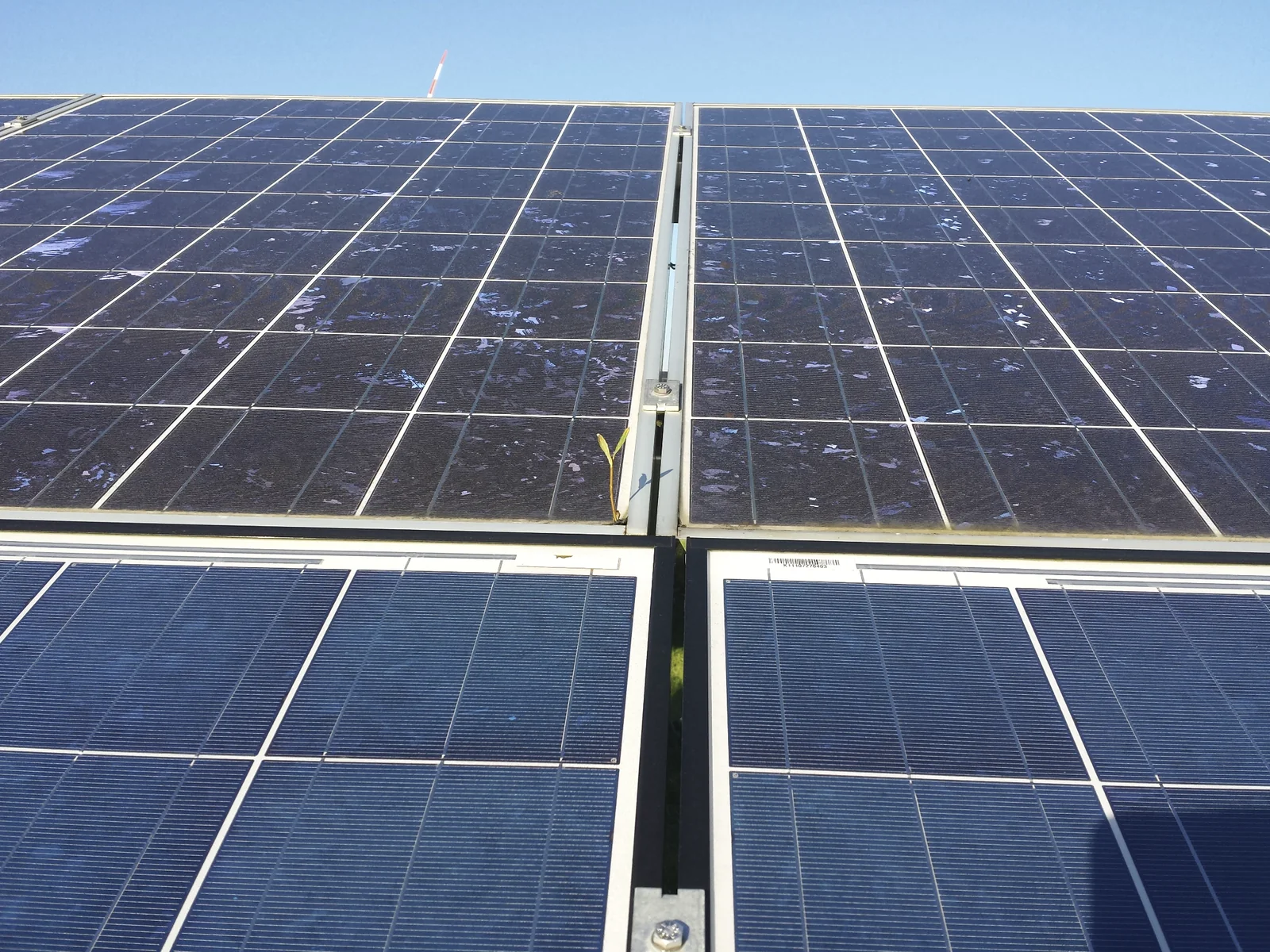
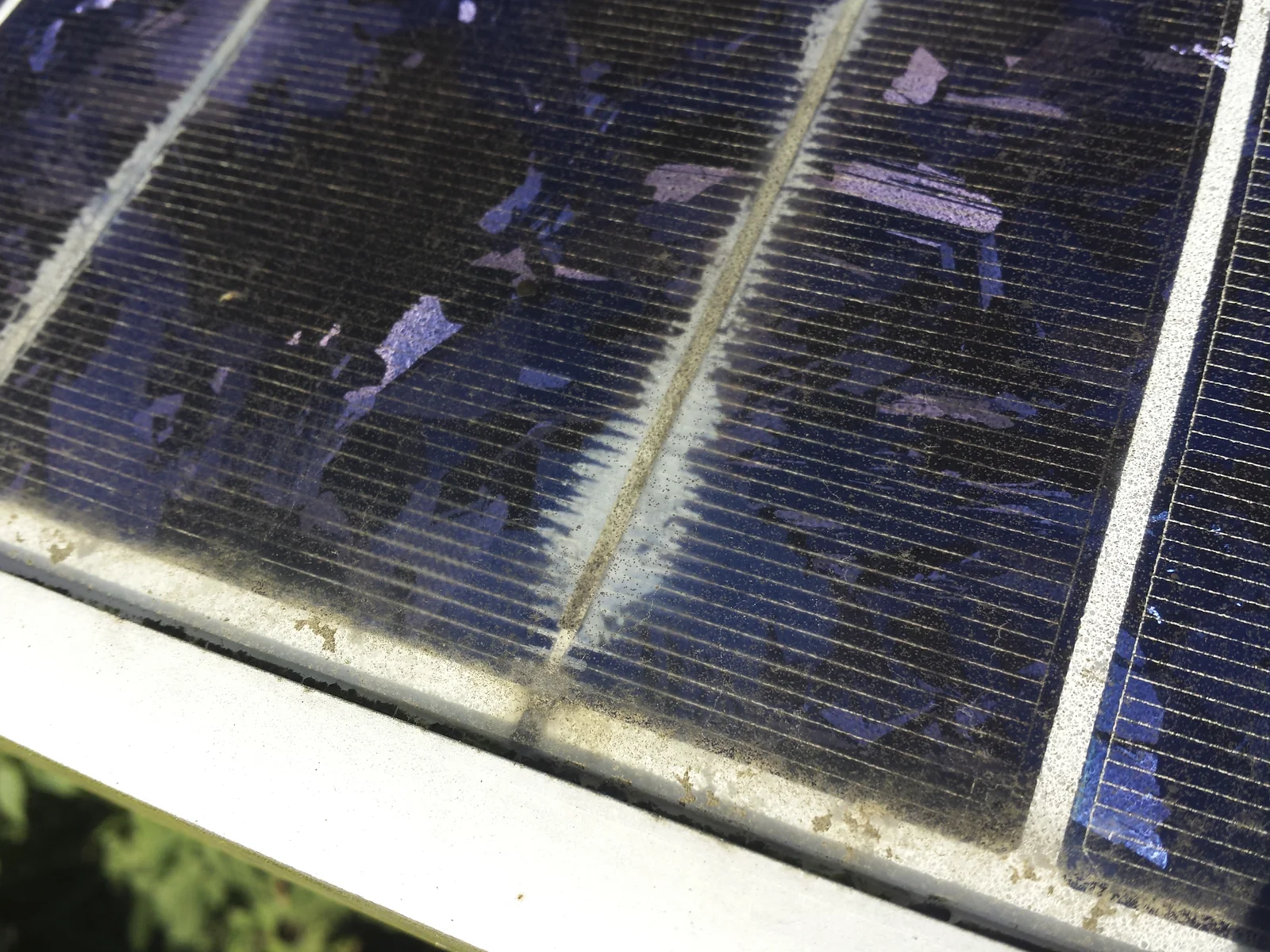
Delamination effects on a photovoltaic module
Module conditionDelamination

Visible separation and ageing effects within the module laminate.

Vegetation in the frame area of a photovoltaic plant
Visual inspectionVegetation in the module frame

Even minor details can indicate maintenance needs or unfavourable operating conditions.

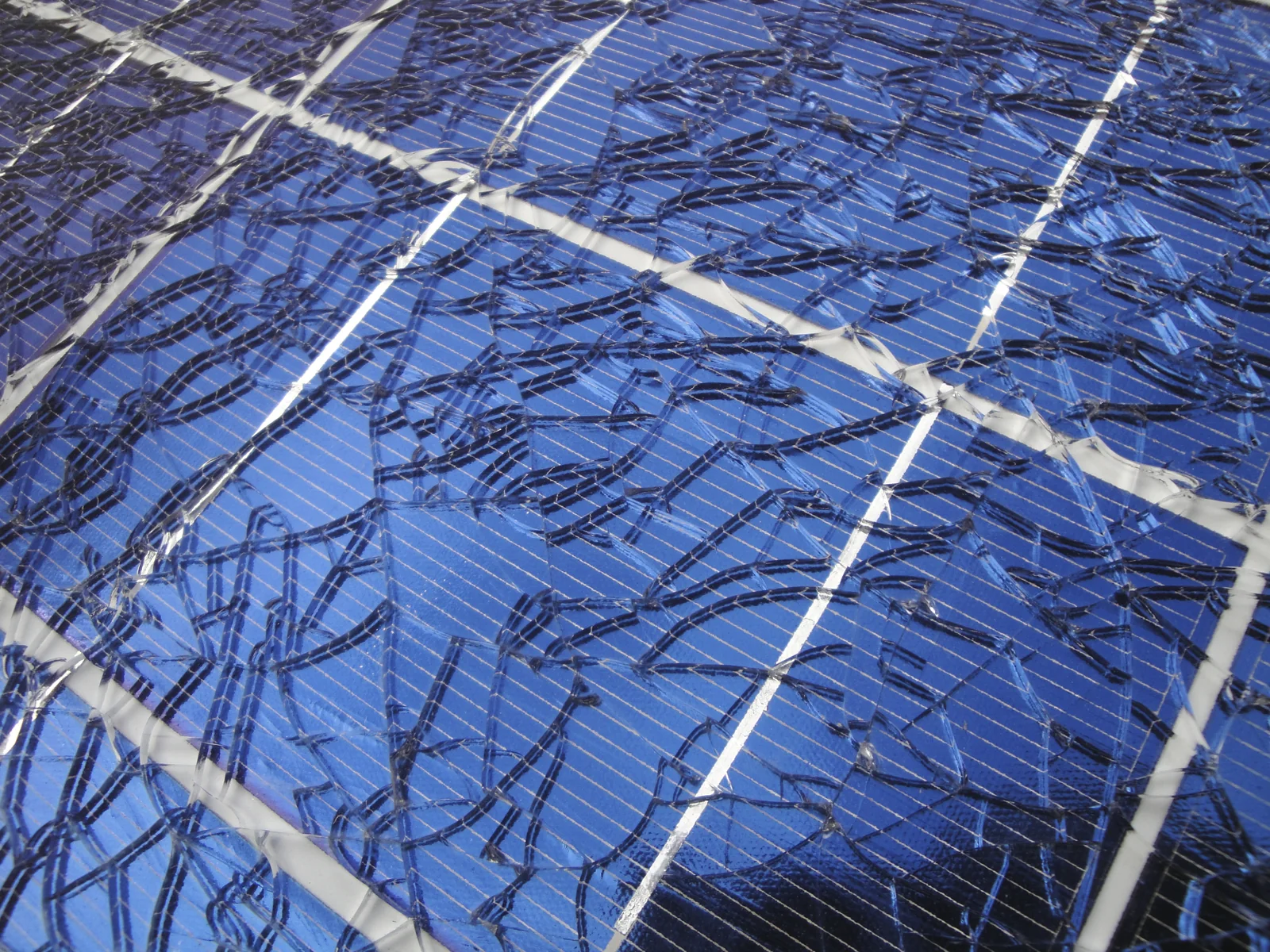
Severe glass breakage on a photovoltaic module
Mechanical damageGlass breakage

Mechanical damage is documented and assessed for possible electrical and operational consequences.

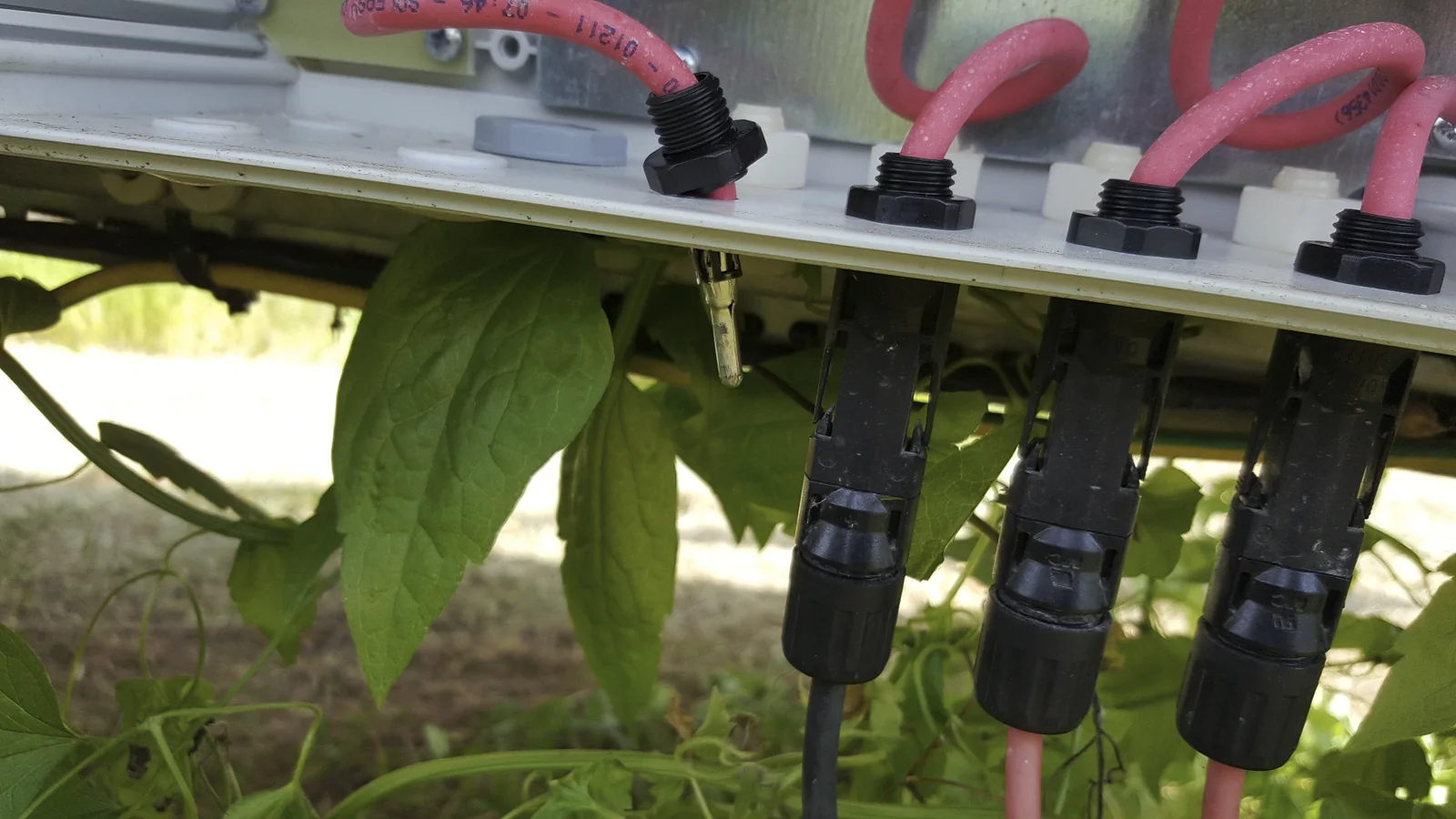
Open connector in the electrical cabling of a photovoltaic plant
Electrical connectionOpen connector

Faulty or open connections are a typical inspection focus during acceptance and troubleshooting.

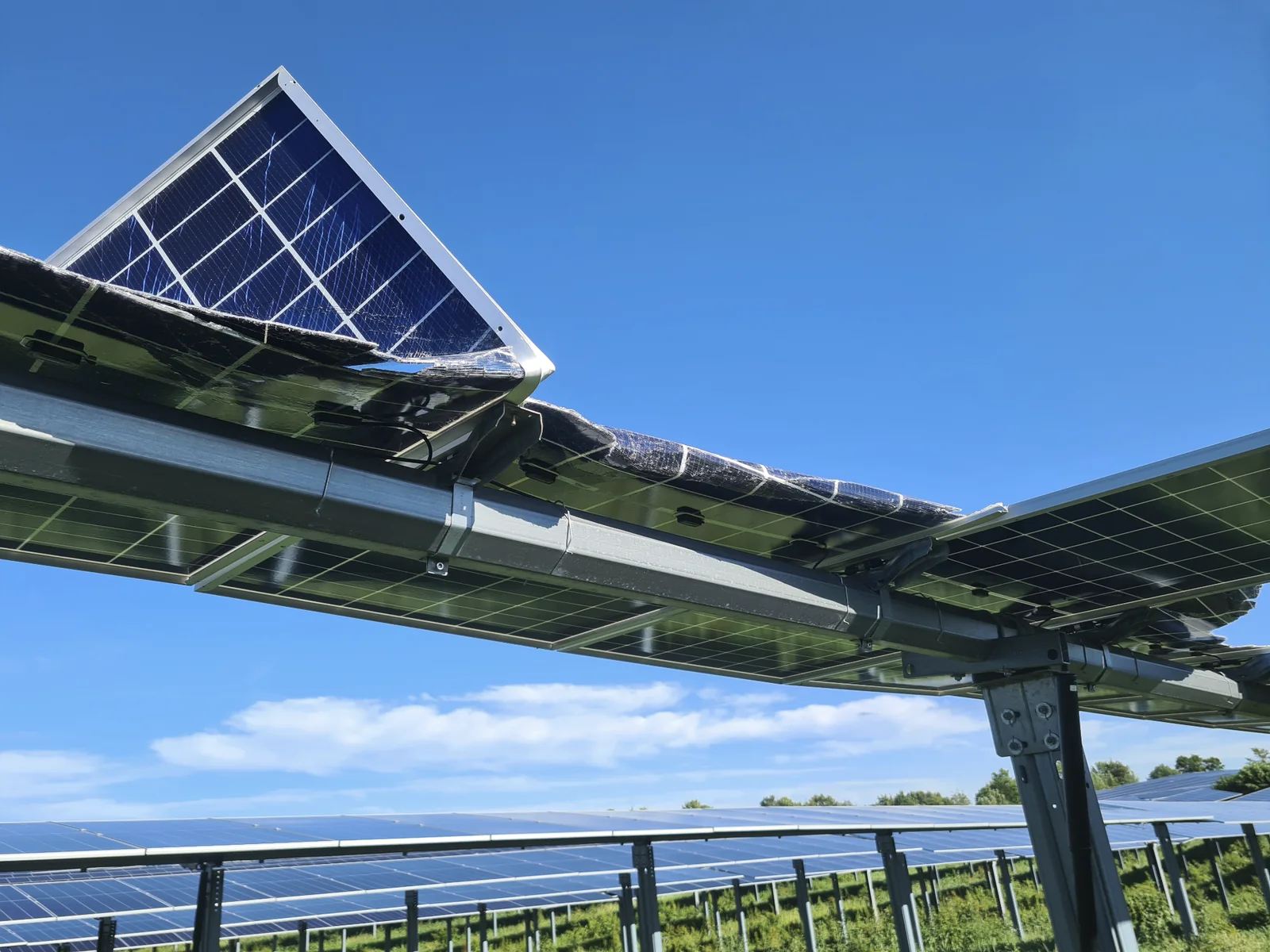
Storm damage with mechanically deformed PV modules and mounting structure
Damage assessmentStorm damage

Mechanical damage to modules and supporting structures is documented on site and technically assessed.

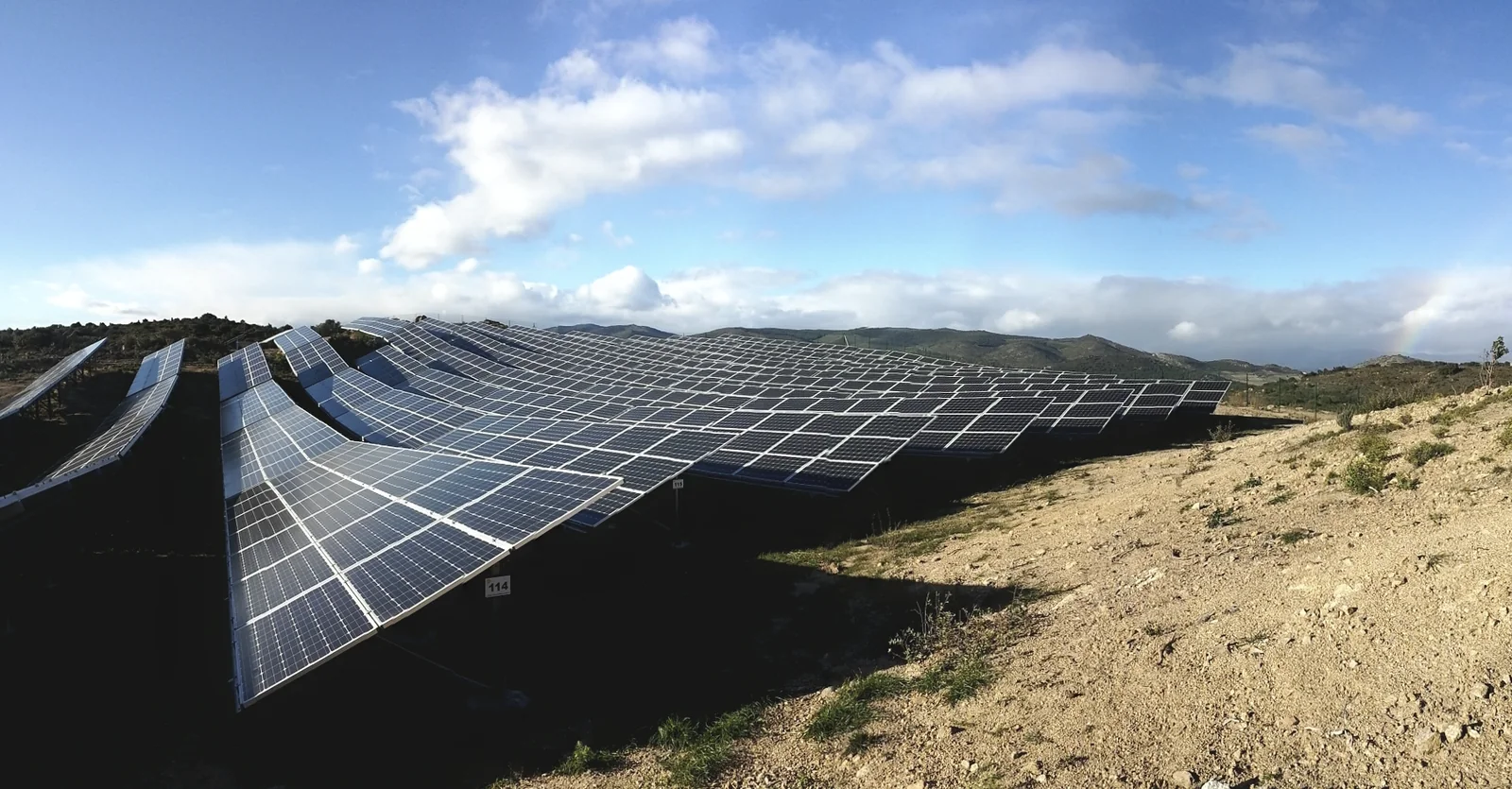
PV plant with self-shading caused by row spacing and terrain
System & siteSelf-shading

Row spacing and terrain topography can cause additional shading losses.

06Diagnostics & measurement

Do not just look — measure

Measurement methods reveal hidden deviations.

I–V curves, thermography and electroluminescence complement conventional visual inspection and help identify electrical, thermal and structural anomalies.

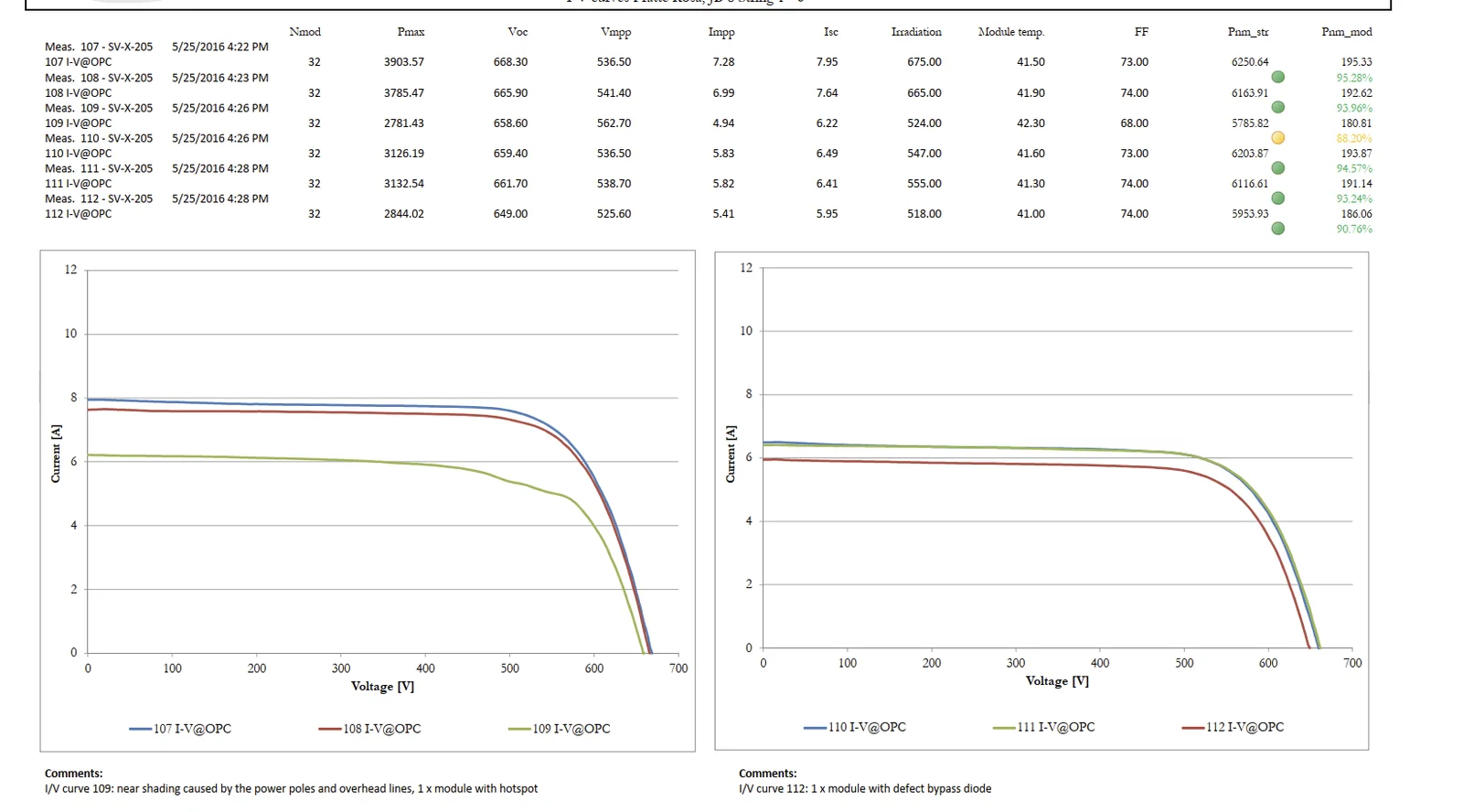
Evaluation of anomalous I–V curves from a PV plant
I–V curve tracingQuantify electrical anomalies

Deviating I–V curves can indicate, among other things, shading, hotspots or faulty bypass diodes and are assessed in the plant context.

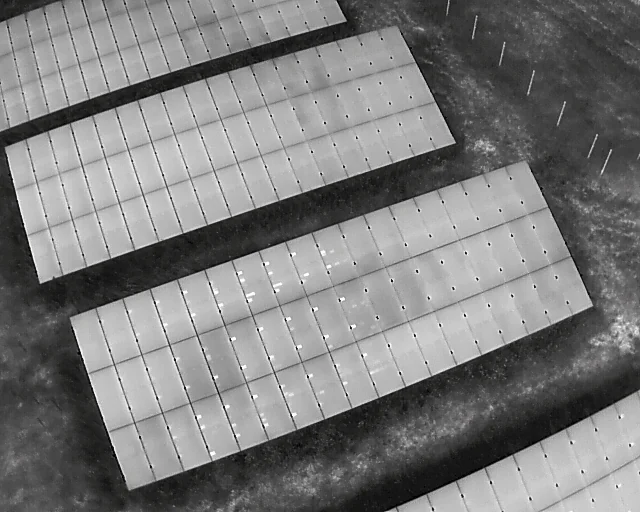
IR drone image of a PV plant with several bright thermal anomalies
IR drone inspectionLocate hotspots from the air

Bright areas indicate anomalous temperature zones and enable rapid pre-selection of affected modules in the field.

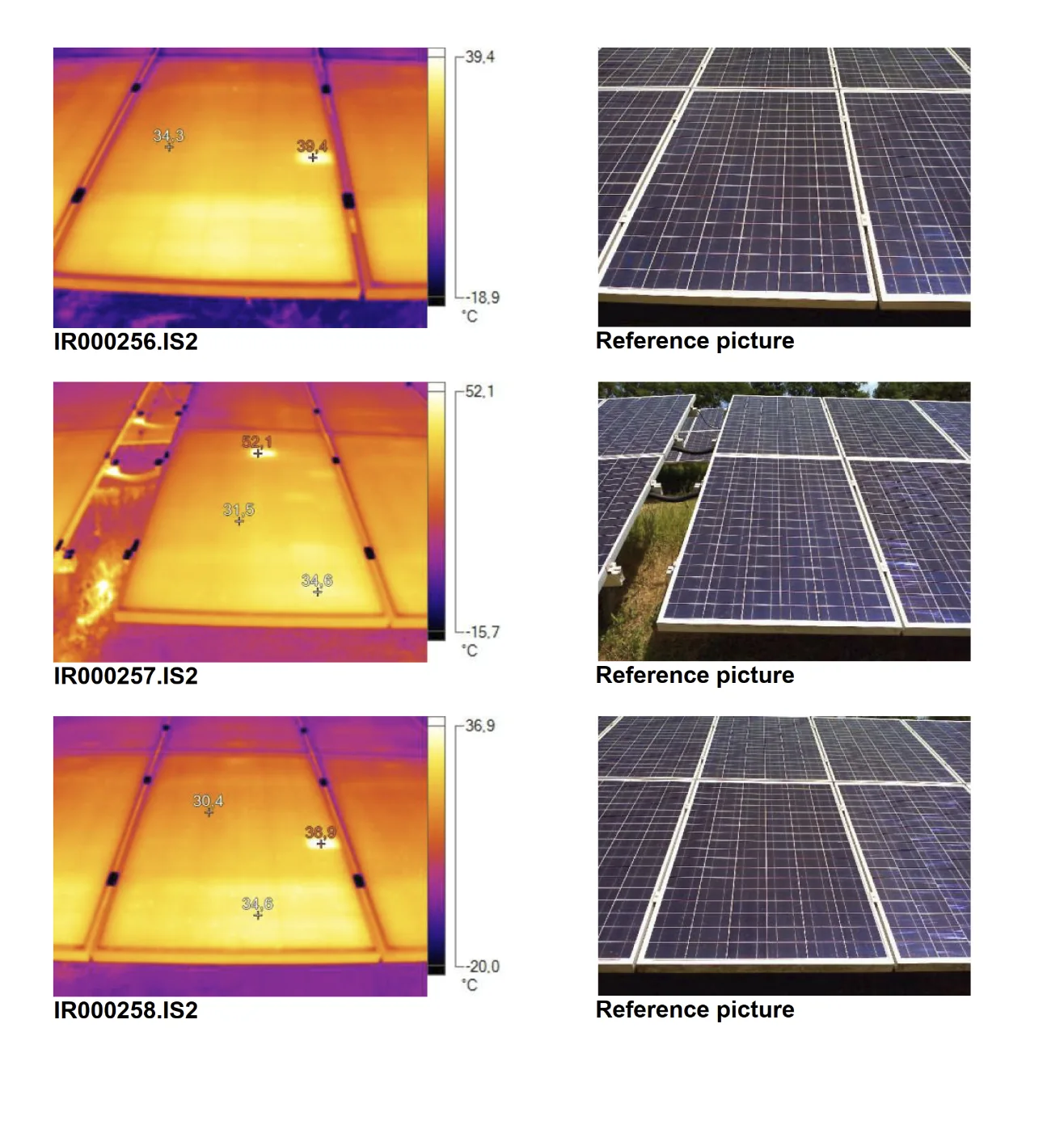
Thermographic inspection of PV modules with hotspots and reference images
Thermography · detailed inspectionCompare thermal image and reference photo

Thermal anomalies are documented in detail, compared with the visible module condition and technically interpreted.

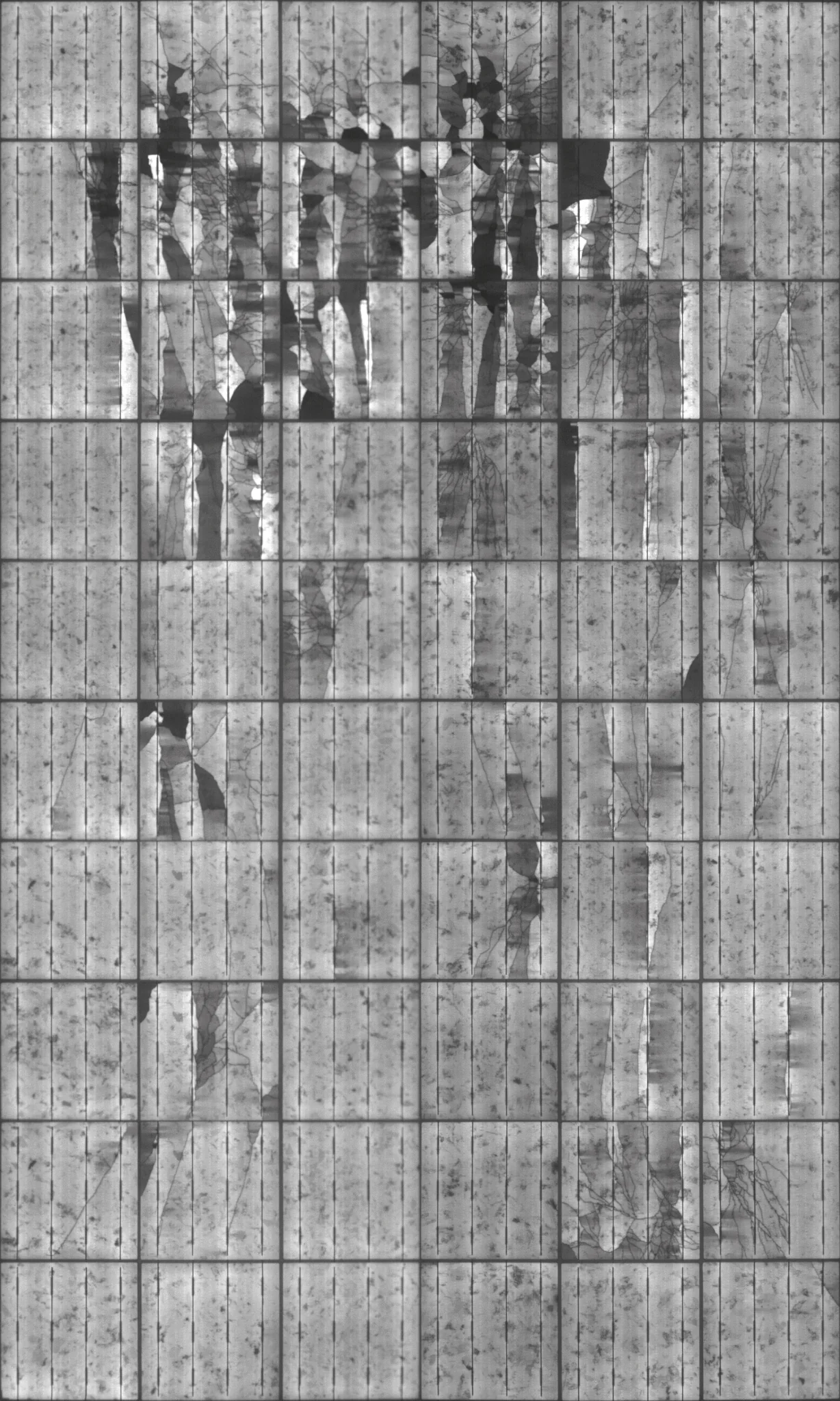
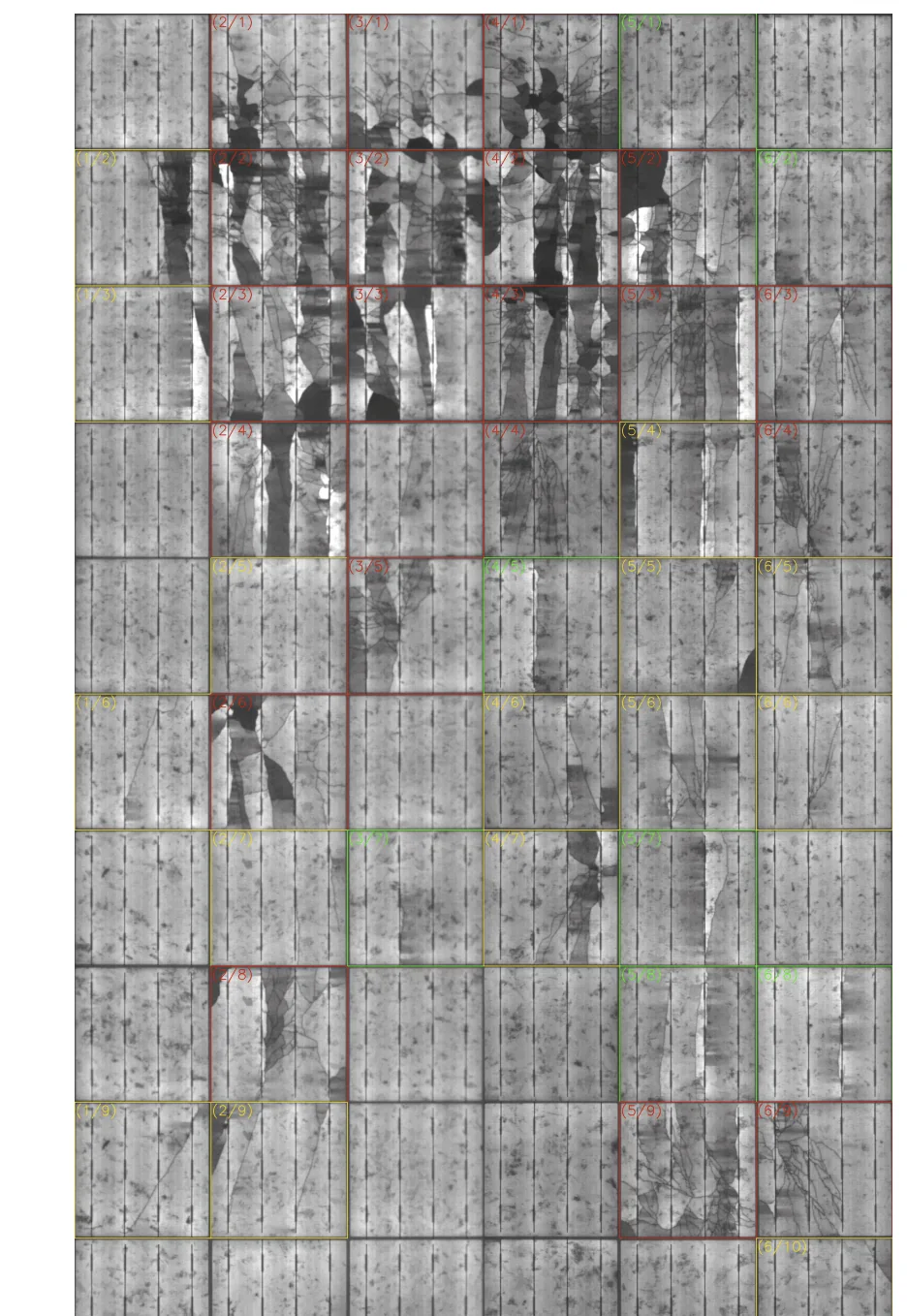
Electroluminescence image of a PV module with numerous microcracks and cell damage Systematic evaluation of an electroluminescence image with marked cell areas

Electroluminescence · EL

Detect damage that is not visible externally.

A module can appear normal during visual inspection while still containing internal cell damage. Electroluminescence reveals microcracks, cell breaks and electrically inactive areas and enables systematic assessment.

  • Microcracks and cell breaks
  • Electrically inactive cell areas
  • Comparison and classification of modules
  • Documentation of findings
→Inspection & Testing

Measure. Inspect. Diagnose.

Would you like to assess the technical condition of a PV plant?

Visual inspection, I–V curve tracing, thermography, IR drone, EL, acceptance and performance evaluation — combined according to project needs.